
Straight answers about concrete in central Minnesota.
Written by the crew that pours it, for people deciding what to do about a driveway, a foundation, or a floor in Wright County.
-
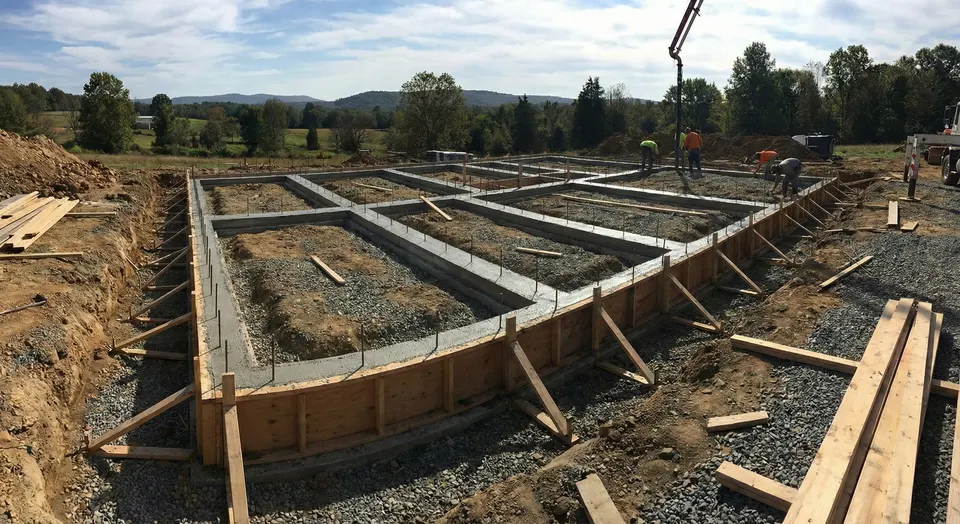
How Deep Do Footings Need to Be in Wright County?
Footings in Wright County must reach at least 42 inches below finished grade under Minnesota's frost protection rule, Minn. R. 1303.1600. The same 42-inch minimum applies in Meeker, McLeod, Hennepin, Stearns, and Sherburne counties, while the northern part of the state requires 60 inches. We dig to 42 inches at minimum and go deeper when the soil at that depth is not solid.
-
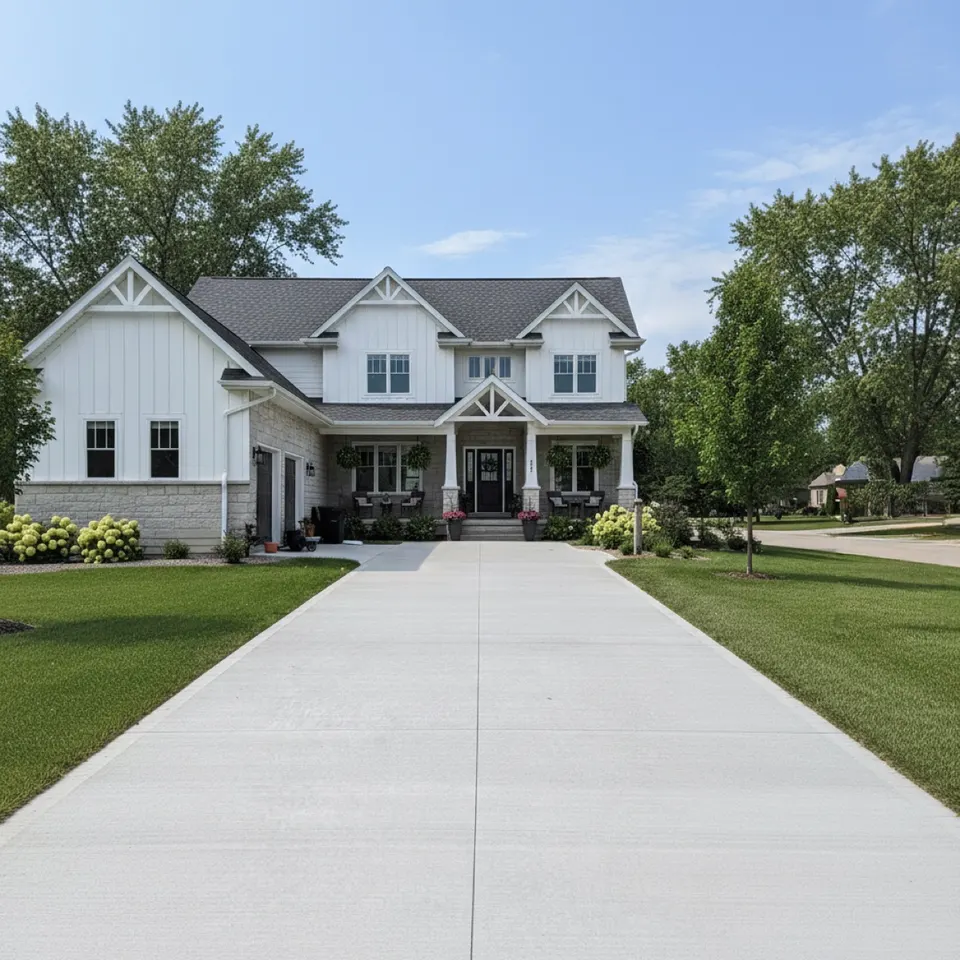
Do You Need a Permit for a Concrete Driveway in Wright County?
It depends on where the driveway is and what it connects to. Replacing a driveway on its existing footprint often needs no building permit, but a new driveway onto a county highway always needs an access permit from the Wright County Highway Department, and any footing or foundation work always needs a building permit. Inside Cokato the permit desk is City Hall; for most townships it is Wright County Planning and Zoning in Buffalo.
-
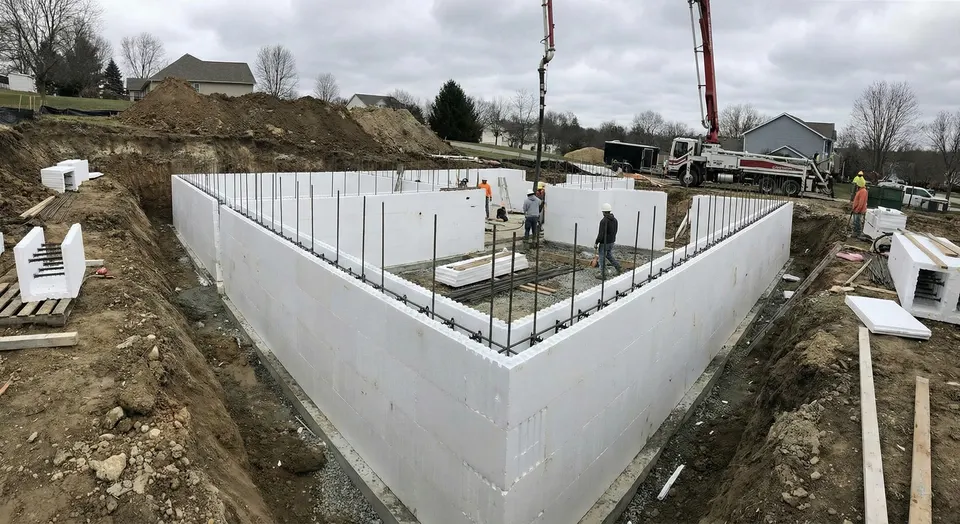
ICF vs Poured vs Block Foundations in Minnesota
All three foundation types work in Minnesota when they sit on footings at frost depth. ICF costs the most up front but delivers an insulated, finish-ready basement wall in one step, which pays off on a finished or heated lower level. Poured concrete is the strongest and fastest bare wall and the default for most new homes. Block is the right answer for repairs, small frost walls, and matching existing work. If the basement will stay unfinished and unheated, ICF is usually not worth the premium.
-
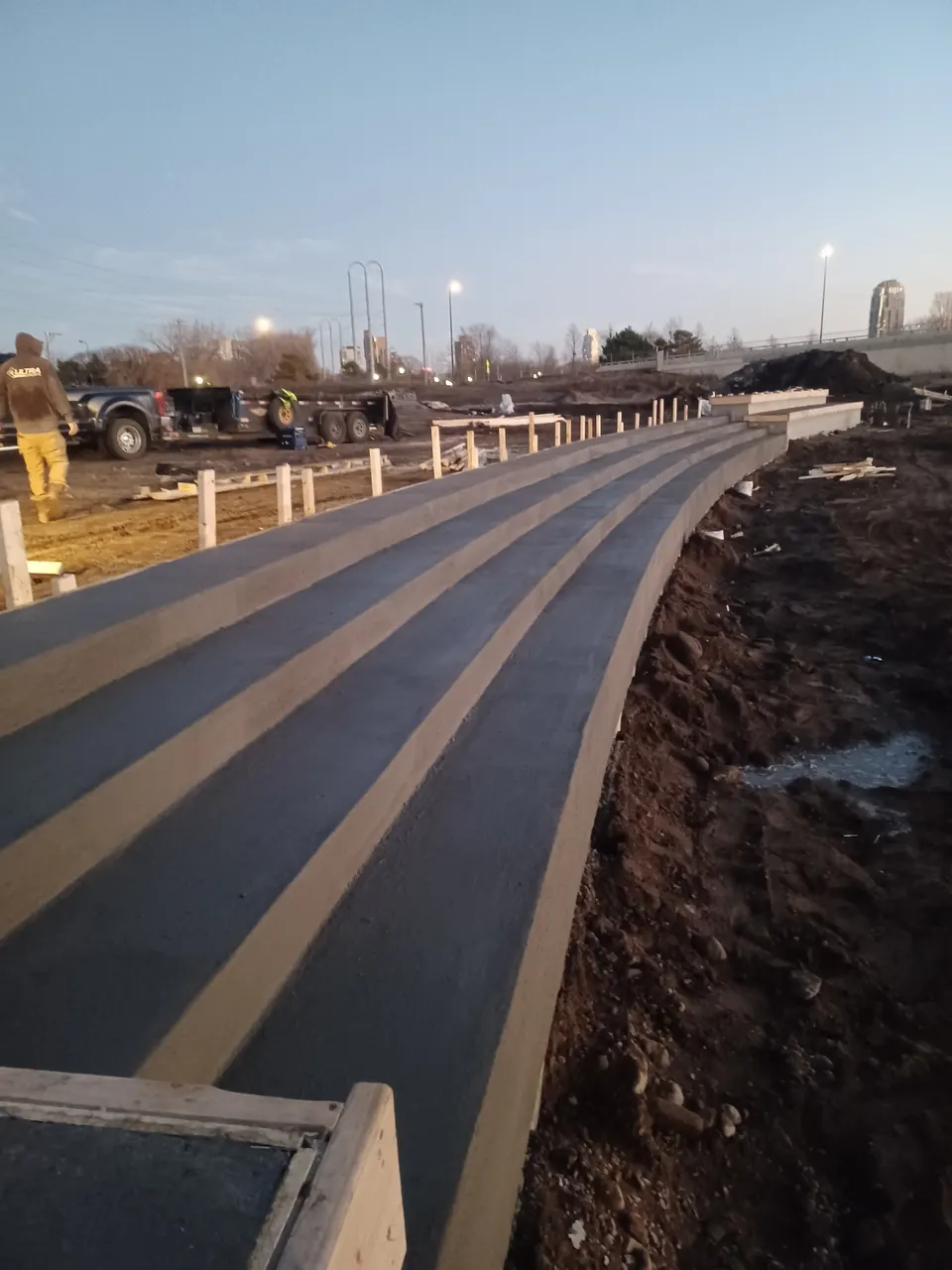
Pouring Concrete in Late Fall in Minnesota
Concrete can be poured in November and into early December in Minnesota as long as the ground is not frozen and the slab is protected while it cures. We use a hot, accelerated mix, cover the pour with insulated blankets for several days, and keep vehicles off it longer than a summer pour. What we will not do is pour on frozen subgrade or skip the blankets, because both show up as damage in spring.
-
What a Concrete Driveway Costs in Central Minnesota
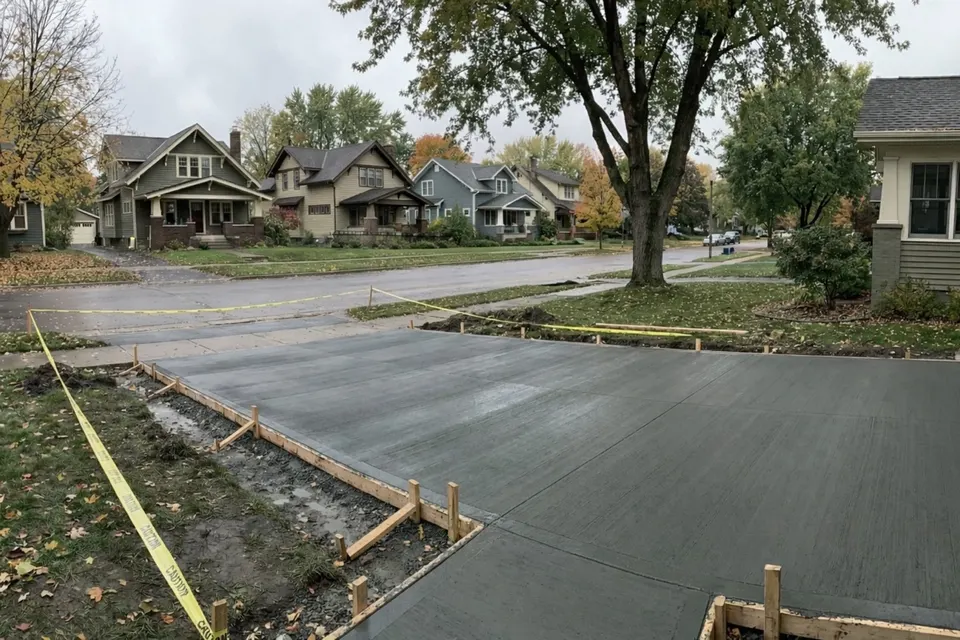
A concrete driveway in central Minnesota is priced by square footage, tear-out, how much base the soil needs, slab thickness, reinforcement, finish, site access, and the time of year. Two driveways of the same size can land far apart because of what is under them and how far the truck has to travel. Twin Cities cost pages assume a short city driveway on existing base, which is not what most lots around Cokato look like.
-
How Thick Should a Concrete Driveway Be?
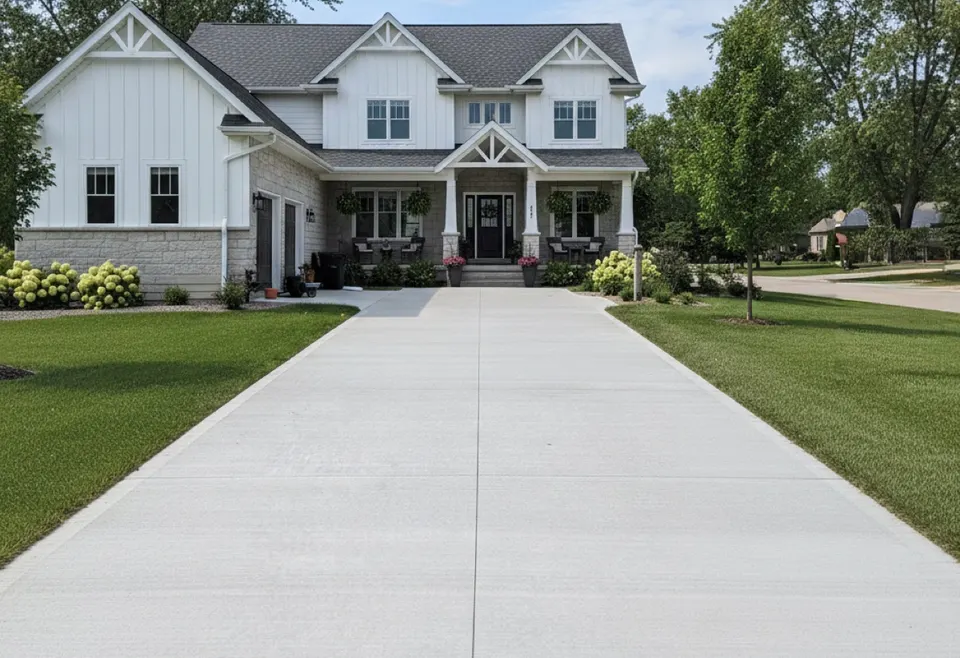
A residential concrete driveway should be at least 4 inches thick for cars and light pickups, and 5 to 6 inches anywhere trucks, campers, or equipment will sit. In Wright County we recommend 5 inches for most driveways, poured over 4 to 6 inches of compacted Class 5 base, because frost movement in our glacial till does more damage to a thin slab than the vehicles ever will.
Free estimate
Get a straight answer on your concrete
Tell us what you are pouring and where. We walk the site, tell you which permit office it falls under, and put the price in writing. No pressure, no invented urgency.